
Diagnostics & ADAS
Pre- and post-repair scans help identify faults. Cameras and radar may need calibration after glass, bumper, suspension, or structural work, according to manufacturer procedures.
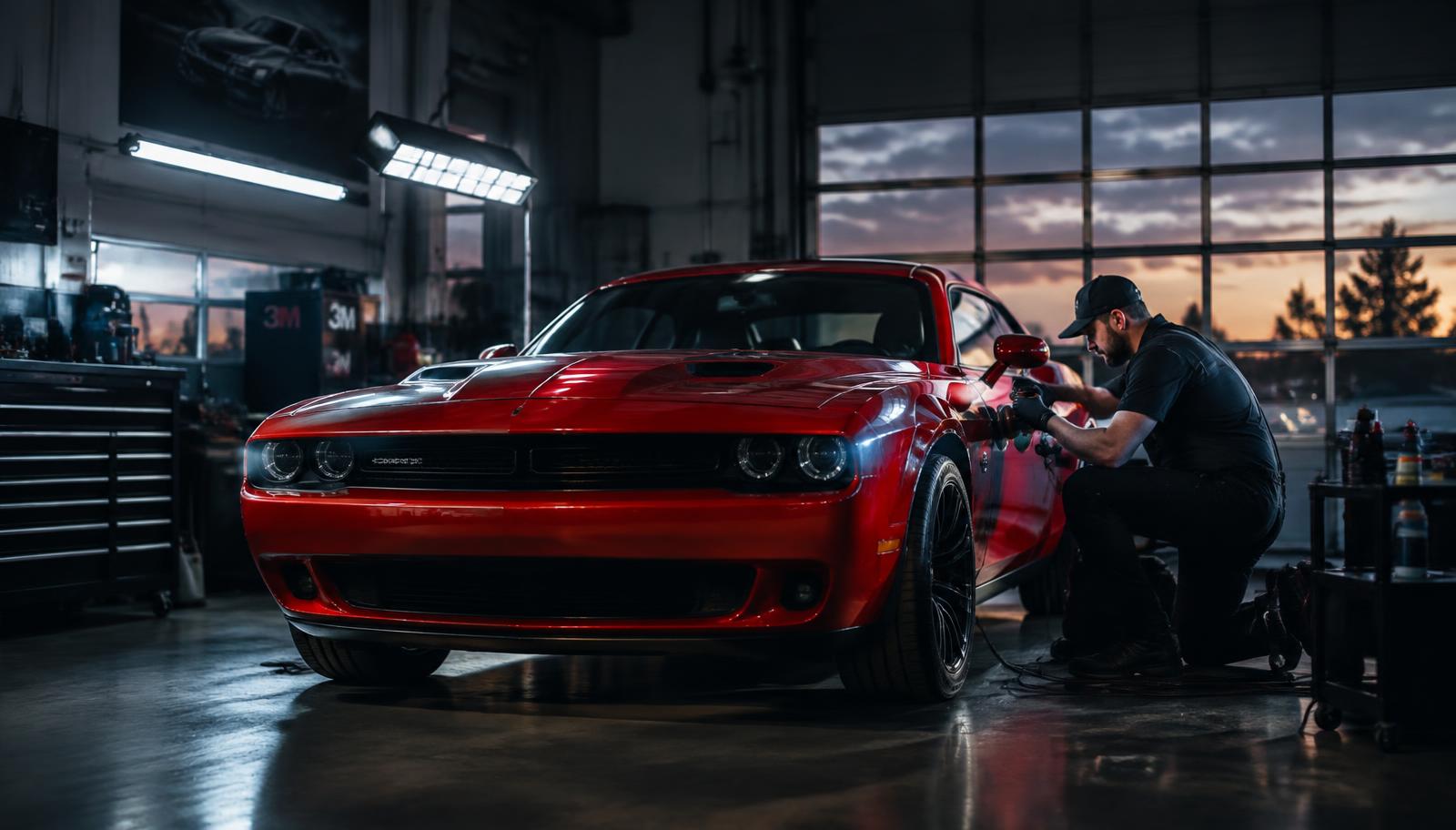
Collision repair · Austin, Texas · Demo shop
A careful repair starts with a complete inspection. From visible body damage to the systems behind it, the right repair plan comes first.
Photos help assess visible damage. Hidden damage, diagnostic findings, parts, and required calibrations may change the scope and cost after an in-person inspection.
If there are fluid leaks, deployed airbags, damaged tires, steering or braking problems, don’t drive the vehicle. Arrange professional recovery. If anyone is injured or in immediate danger, call 911.
Inspect
Identify the damage
Plan
Follow vehicle procedures
Repair
Restore with care
Verify
Document final checks
Pre- and post-repair scans help identify faults. Cameras and radar may need calibration after glass, bumper, suspension, or structural work, according to manufacturer procedures.
High-voltage components require trained personnel and vehicle-specific isolation procedures. Never touch exposed orange cables or attempt a damaged battery repair.
A completed repair should include documented checks appropriate to the work: panel fit, alignment, fault scans, required calibrations, and a road test when safe.
01
Structural measurements and a repair plan guided by the vehicle manufacturer’s procedures.
02
Suitable dents may be repaired without repainting when paint condition, access, and panel material allow.
03
Color matching, test panels, and blending where needed for a consistent finish.